
The legendary Masai Mara National Reserve is Kenya’s most celebrated safari destination and one of Africa’s finest wildlife reserves. Famous for breathtaking landscapes, exceptional Big Five sightings, and the world-renowned Great Migration, the Masai Mara delivers the classic African safari experience travelers dream about.
From dramatic predator encounters to golden savannah sunsets stretching endlessly across the horizon, every moment here feels cinematic and unforgettable.
Why Visit Masai Mara National Reserve

Very few safari destinations in the world rival the Masai Mara for wildlife density and game viewing.
It is especially famous for:
- Exceptional lion sightings
- Regular encounters with cheetahs and leopards
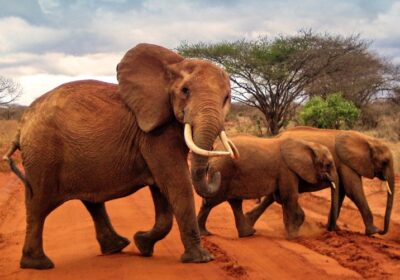
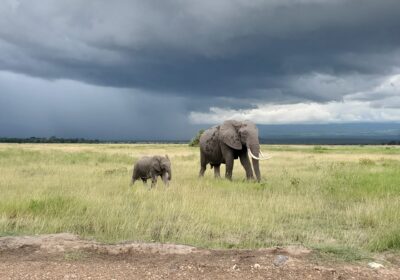
- Large elephant herds roaming the plains
- Stunning sunsets and endless savannah landscapes
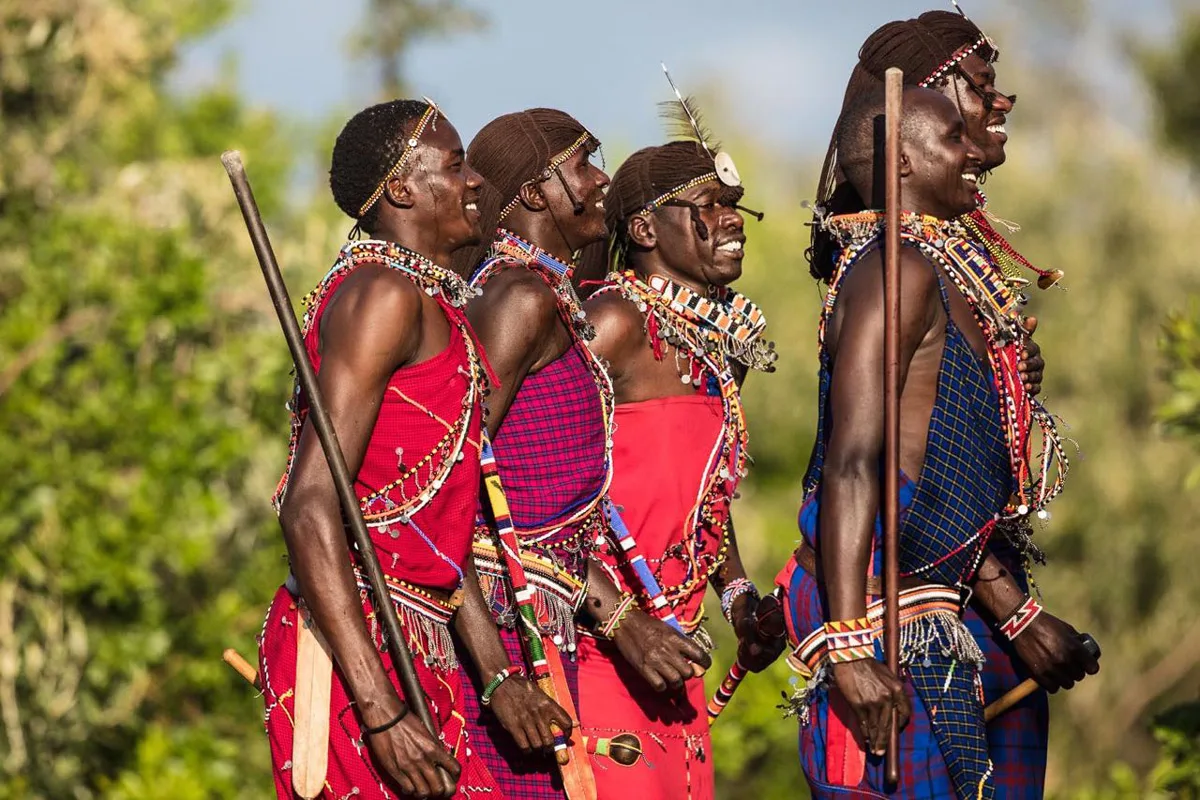
- Rich Maasai cultural experiences
During game drives, it is common to encounter zebras, giraffes, buffalo, elephants, antelopes, hyenas, and predators within close range.
Between July and October, the Great Migration adds millions of wildebeest and zebras into the ecosystem, creating unmatched wildlife drama.
Where is the Masai Mara Located?

The Masai Mara is located in southwestern Kenya, approximately 230 km from Nairobi. It forms part of the Serengeti–Mara ecosystem, one of the most important wildlife conservation areas on Earth.
It borders Tanzania to the south, allowing wildlife to move freely across the plains during migration.
Access is via:
- Road (5–6 hours from Nairobi)
- Air (approx. 45-minute flight)
The Great Migration – Nature’s Greatest Wildlife Spectacle

The Great Migration is one of the most awe-inspiring wildlife events on the planet.
Each year, nearly two million wildebeest, zebras, and gazelles move through the Serengeti–Mara ecosystem in search of fresh grazing.
Between July and October, they enter the Masai Mara, creating dramatic river crossings filled with tension, survival, and predator action.
Watching thousands of animals plunge into crocodile-filled rivers is an unforgettable safari experience.
Wildlife You Can Expect to See

The Masai Mara offers exceptional wildlife viewing all year round.
The Big Five:
- Lion
- Leopard
- Elephant
- Buffalo
- Black rhino
The reserve is especially known for relaxed lion populations, offering incredible close-up sightings.
Other wildlife includes:
Cheetahs, giraffes, zebras, hippos, crocodiles, hyenas, wildebeest, warthogs, gazelles, and more.
Bird lovers can also enjoy over 500 species, including:
- Lilac-breasted roller
- Secretary bird
- Ostrich
- Superb starling
- Kori bustard
How to Get to Masai Mara National Reserve

By Air
The fastest way is a 45-minute flight from Nairobi’s Wilson Airport to various Mara airstrips.
By Road
Road travel takes about 5–6 hours with scenic views of the Great Rift Valley.
Many travelers combine the Masai Mara with:
- Lake Nakuru National Park
- Amboseli National Park
- Samburu National Reserve
- Tsavo East and West
Best Time to Visit the Masai Mara

July to October
Best for:
- Great Migration
- River crossings
- Predator action
- Dry season visibility
January to February
Best for:
- Fewer crowds
- Pleasant weather
- Excellent photography
March to May (Green Season)
Best for:
- Lush landscapes
- Lower prices
- Fewer tourists
- Dramatic skies
How Many Days Should You Spend?

Recommended stay:
- Minimum: 3 days
- Ideal: 4–5 days
This allows you to enjoy multiple game drives and better wildlife encounters at a relaxed pace.
Safari Accommodation Options

Accommodation options include:
- Luxury safari lodges
- Tented camps
- Mid-range lodges
- Budget camps
- Private conservancy stays
Private conservancies offer:
- Fewer vehicles
- Night game drives
- Walking safaris
- Bush breakfasts
Is the Masai Mara Safe?

Yes, the Masai Mara is one of Africa’s safest safari destinations.
Travelers are advised to:
- Follow guide instructions
- Carry travel insurance
- Use insect repellent
- Take malaria precautions
All wildlife viewing is conducted safely from professional safari vehicles.
Tips for Avoiding Crowds

To enjoy a more exclusive safari experience:
- Travel outside peak migration months
- Stay in private conservancies
- Choose smaller boutique camps
- Avoid busy river crossing points
Recommended conservancies:
- Mara North Conservancy
- Naboisho Conservancy
- Ol Kinyei Conservancy
- Olare Motorogi Conservancy
What Does a Masai Mara Safari Cost?

Safari costs vary depending on:
- Season
- Accommodation type
- Duration
- Travel style (fly-in or road safari)
Options include:
- Budget safaris
- Mid-range safaris
- Luxury fly-in safaris
- Private tailor-made tours
A minimum 3-day safari is recommended for value and experience.
Final Thoughts

A safari to the Masai Mara is more than just a holiday — it is a life-changing journey into one of the last great wildernesses on Earth.
Whether you dream of witnessing the Great Migration, photographing iconic wildlife, staying in luxury tented camps, or reconnecting with nature, the Masai Mara delivers unforgettable experiences.