
Ngorongoro Crater: Tanzania’s Natural Wonder and Ultimate Wildlife Paradise
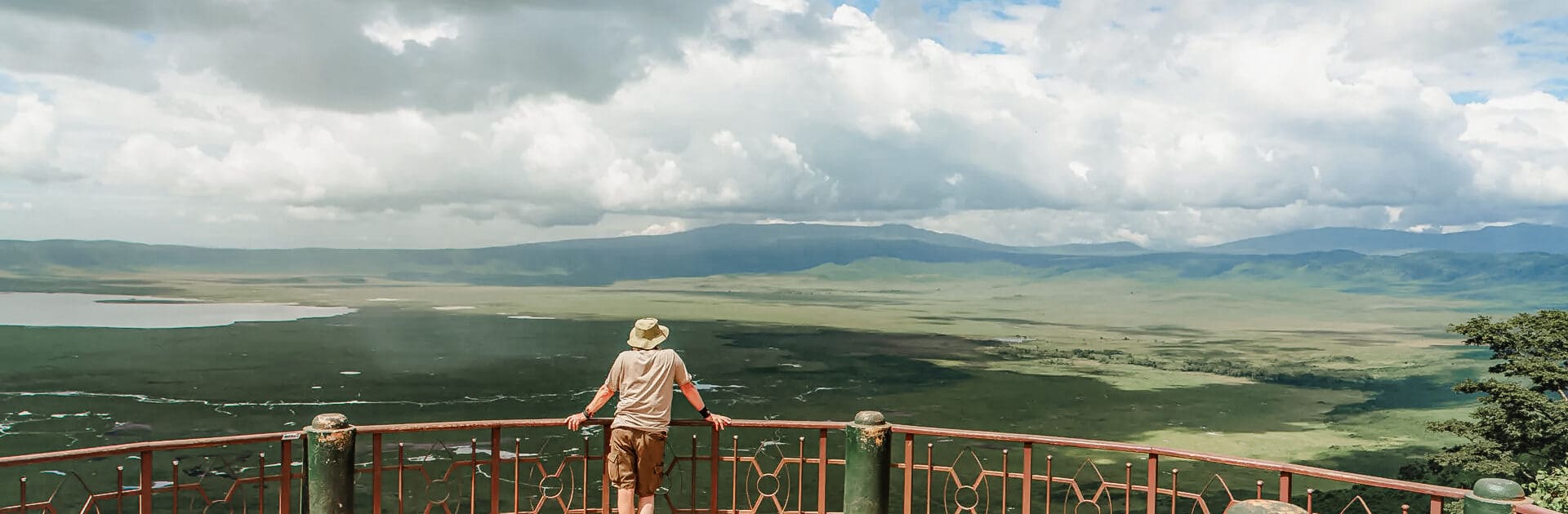
Ngorongoro Crater is one of the most extraordinary natural attractions in Africa and stands proud as Tanzania’s most iconic safari destination. Located within the vast Ngorongoro Conservation Area in northern Tanzania, this spectacular bowl is the world’s largest intact, inactive, and unfilled volcanic caldera. Often referred to by enthusiasts as the “Eighth Wonder of the World,” it balances breathtaking landscapes, unbelievable wildlife concentrations, and a rich evolutionary history.
Covering approximately 260 square kilometers with sheer walls rising up to 600 meters above the valley floor, the Ngorongoro Crater forms a pristine, natural enclosure. This unique bowl supports one of the highest self-contained densities of large mammals anywhere on earth. As a cornerstone of a massive UNESCO World Heritage Site, it represents a fragile, brilliant balance between wildlife conservation, ancient cultural heritage, and sustainable tourism.
Ancient Origins: The Geological History
The Ngorongoro Crater was forged approximately two to three million years ago during a cataclysmic tectonic event. A massive super-volcano, estimated by geologists to have stood taller than Mount Kilimanjaro, erupted violently and subsequently collapsed inward under its own weight when its subterranean magma chambers emptied.
Unlike typical volcanic formations around the globe that erode or fill with water over time, Ngorongoro’s massive stone basin remained perfectly intact. This created an amphitheater-like ecosystem enclosed by steep volcanic walls, leaving an isolated haven where evolutionary lines could comfortably interact and thrive for millennia.
Location and Accessibility
The crater is situated about 180 kilometers west of Arusha and serves as a vital anchoring crown of Tanzania’s world-famous Northern Safari Circuit.
Its strategic geography makes it exceptionally easy to bundle within a broader Tanzanian itinerary. It borders or easily connects with:
Serengeti National Park (Directly to the northwest)
Lake Manyara National Park (An hour’s drive to the east)
Tarangire National Park (An easy drive to the southeast)
Olduvai Gorge (Nested directly within the outer conservation boundaries)
A Self-Contained Micro-Ecosystem
The true magic of the crater floor lies in its hyper-condensed layout. Within a single game drive, travelers transition through an array of distinct habitats, each supporting specialized wildlife:
Open Grasslands: Dominating the vast plains of the basin floor, these short-grass fields provide nutritional grazing grounds for hundreds of thousands of migratory herbivores.
Lerai Acacia Forests: Dappled yellow fever-tree groves provide essential canopy shade, nesting areas for birds, and browsing branches for elephants and leopards.
Freshwater Swamps & Marshes: Permanent, spring-fed wetlands like Gorigor Swamp act as a critical watering lifeline, staying green and pulling in massive game herds even in the peak of the dry season.
Lake Magadi: A central, highly alkaline soda lake that shifts dramatically in size based on seasonal rains. Its mineral-rich waters host microscopic algae that pull in spectacular pink ribbons of flamingos.
Wildlife Abundance: Tracking the Big Five
The Ngorongoro Crater floor is home to approximately 25,000 large animals. It provides one of the most reliable and realistic opportunities in Africa to spot every single member of the classic Big Five (Lion, Leopard, African Elephant, Cape Buffalo, and Rhinoceros) in a single, six-hour game drive.
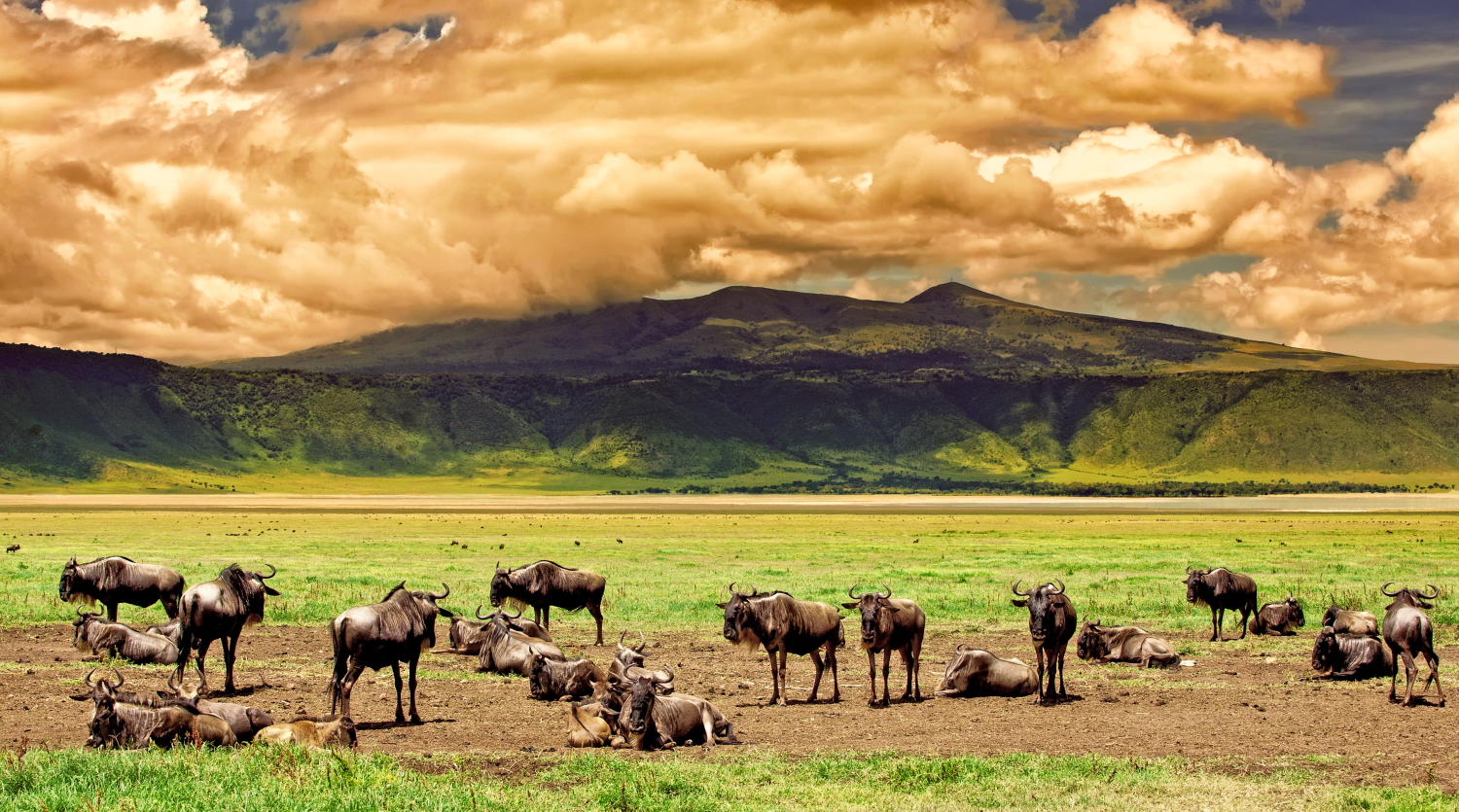
Key Wildlife Highlights:
The Black Rhinoceros Stronghold: The crater is highly vital for global rhino conservation. Its natural borders protect a healthy, strictly monitored population of endangered black rhinos, making it the premier location in Tanzania to view them roaming naturally.
Elite Lion Densities: The basin boasts an exceptionally dense population of lions. Because the plains are wide open, visitors frequently witness active hunts, prides resting beside safari tracks, and territorial boundary displays.
Giant Bull Elephants: While breeding herds of female elephants generally stay up in the forested rim, the crater floor is famous for its nomadic “giant tuskers”—aging lone bulls carrying some of the heaviest, most magnificent ivory tusks left on the continent.
An Avian Wonderland
With more than 500 bird species documented across the wider conservation area, it is a world-class birding paradise. Beyond the pink blankets of lesser and greater flamingos, birders can look for massive kori bustards (the world’s heaviest flying bird), elegant grey crowned cranes, secretary birds hunting snakes on foot, and giant martial eagles patrolling the skies.
The Coexistence of Man and Nature
The Ngorongoro Conservation Area holds a unique multi-use status that sets it apart from traditional national parks. It explicitly permits the indigenous Maasai people to reside within the protected boundaries, grazing their livestock side-by-side with wild game herds.
This cultural element adds immense depth to a safari. Travelers can visit authentic, community-managed Maasai bomas (homesteads) to experience their iconic vocal music, jumping dances, intricate geometric beadwork, and learn about time-tested semi-nomadic herding systems that have preserved these grasslands for centuries.
Olduvai Gorge: The Cradle of Humankind
Just a short drive from the crater rim sits Olduvai Gorge, one of the most important archaeological and paleoanthropological sites on earth. It was here that pioneering researchers Louis and Mary Leakey unearthed fossilized remains of early hominids dating back millions of years, alongside primitive stone tools. A stop at the local gorge museum offers a profound, humbling look directly into the dawn of human evolution.
The Ultimate Seasonality Guide
| Season | Best Months | Landscape Vibe | Safari Advantage |
| Dry Season | June to October | High visibility; dust-blown golden savannah plains. Bush is thin, making tracking straightforward. | Animals congregate densely at primary marshes and Lake Magadi. Peak safari weather. |
| Wet Season | November to May | Lush, vibrant emerald-green plains. Crisp air with clear, dust-free skies. Migratory birds arrive in millions. | Breathtaking landscape photography; lower lodge prices and substantially fewer vehicles on the tracks. |
Conclusion
The Ngorongoro Crater is more than a simple stop on a safari checklist—it is a breathtaking look into an ancient, self-contained world. From its geologic origins as a collapsed super-volcano to its current role as a critical sanctuary for black rhinos and a homeland for the Maasai, it delivers an all-inclusive travel experience. For anyone seeking to feel the raw, ancient pulse of Africa’s natural heritage, scaling the rim into Ngorongoro is an absolute bucket-list necessity.