
Few places on Earth offer the photographic opportunities found in Amboseli National Park. Situated in southern Kenya at the foot of the majestic Mount Kilimanjaro, Africa’s highest mountain, Amboseli is a destination where breathtaking landscapes, iconic wildlife, dramatic light, and rich cultural heritage come together to create one of the world’s finest safari photography experiences.
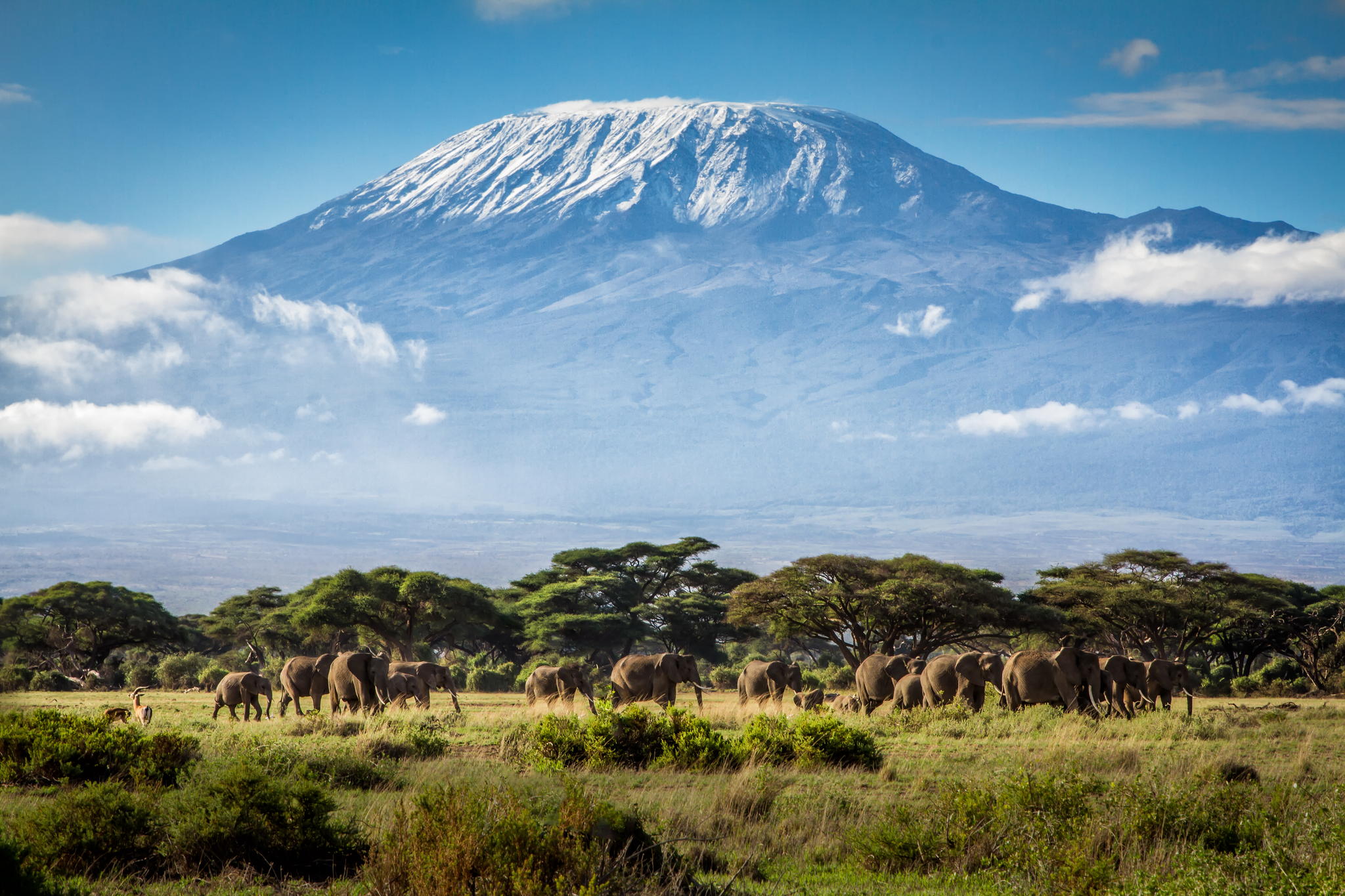
For wildlife photographers, travel creators, nature enthusiasts, and adventurers, Amboseli is not simply another safari destination—it is one of Africa’s most iconic photographic landscapes. The image of a giant elephant crossing the plains with snow-capped Mount Kilimanjaro rising in the background has become one of the most recognizable wildlife photographs in the world.
Whether you are a professional photographer, an aspiring wildlife enthusiast, or a traveler seeking unforgettable experiences, Amboseli offers opportunities that few destinations can match.
Where Is Amboseli National Park?
Amboseli National Park is located in southern Kenya near the border with Tanzania. The park lies within Kajiado County and covers approximately 392 square kilometers of protected wilderness.
The park sits directly beneath Mount Kilimanjaro, which rises 5,895 meters above sea level and dominates the southern horizon. Although the mountain is located in Tanzania, Amboseli provides some of the most spectacular views of Kilimanjaro available anywhere in East Africa. Its unique location between mountain, wetland, savannah, and volcanic landscapes creates an extraordinary environment for wildlife and photography.
Getting to Amboseli: Travel Times & Routes
How Far Is Amboseli from Nairobi?
Amboseli National Park is approximately 230 kilometers from Nairobi.
By Road: The drive typically takes between 4 and 5 hours depending on traffic and road conditions. The most commonly used route follows: Nairobi → Emali → Amboseli National Park. The journey offers scenic views of Kenya’s countryside, traditional Maasai lands, and open savannah landscapes. Modern road improvements have made travel easier and more comfortable than ever before.
By Air: Visitors can take a scheduled or charter flight from Nairobi’s Wilson Airport directly to Amboseli’s airstrips. The flight takes approximately 40 to 50 minutes, providing spectacular aerial views of the Great Rift Valley, Mount Kilimanjaro, and the Amboseli ecosystem. For luxury travelers and photography expeditions with limited time, flying is often the preferred option.
How Far Is Amboseli from Mombasa?
For visitors arriving via Kenya’s coast, Amboseli can be reached from Mombasa.
By Road: The distance is approximately 440–500 kilometers depending on the route, taking roughly 8 to 10 hours. The route typically passes through: Mombasa → Voi → Taveta → Amboseli. This journey traverses diverse landscapes, from coastal regions and dry bushland to wildlife-rich areas near Tsavo National Parks.
By Air: Several safari flight connections can transport guests from Mombasa to Amboseli through Nairobi or via scheduled safari circuits. Flight durations generally range between 1.5 to 3 hours depending on connections. This option is ideal for international visitors combining a beach holiday with a luxury safari experience.
How to Access Amboseli National Park
The park has several entry gates including:
Meshanani Gate (most commonly used when arriving from Nairobi)
Kimana Gate
Iremito Gate
Kitirua Gate
Access Options Include:
Self-Drive Safaris: Well-maintained roads make self-drive travel possible during dry seasons.
Guided Safari Tours: Most international visitors choose organized safari packages that include transportation, accommodation, professional guides, park fees, and private or shared game drives.
Fly-In Safaris: Luxury camps and lodges frequently offer fly-in safari packages for guests seeking convenience and exclusivity.
What Makes Amboseli National Park Unique?
Many parks offer wildlife. Many parks offer beautiful scenery. Very few offer the combination of Amboseli’s dramatic landscapes, extraordinary wildlife concentrations, and unmatched photographic opportunities.
1. The World’s Most Iconic Elephant Photography Destination
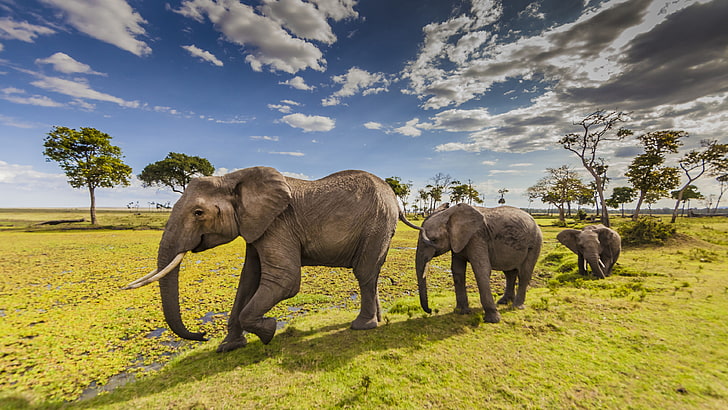
Amboseli is globally famous for its large-tusked elephants. The park is home to some of Africa’s most celebrated elephant populations, including enormous bulls carrying magnificent ivory tusks that nearly touch the ground.
For photographers, this is one of the few places in the world where it is possible to capture:
Giant elephants silhouetted against Kilimanjaro
Family herds crossing dusty plains
Calves interacting with mothers
Dust-covered elephants illuminated by golden sunset light
The Amboseli Elephant Research Project, one of the world’s longest-running elephant studies, has helped protect and document these remarkable animals for decades.
2. Mount Kilimanjaro: The Ultimate Wildlife Backdrop
The greatest visual advantage Amboseli offers photographers is Mount Kilimanjaro. No other safari destination in Africa provides such a dramatic and recognizable backdrop. Early mornings often reveal clear views of the snow-capped summit before clouds gather later in the day.
Photographers travel from around the world specifically to capture giraffes framed against the mountain, acacia trees beneath the towering peak, and stunning golden sunrise silhouettes. These images instantly communicate “Africa” and have become timeless symbols of safari photography.
3. Extraordinary Light and Open Landscapes
Light is everything in photography. Amboseli offers some of the most beautiful natural light conditions in Africa. The park’s open landscapes allow photographers to fully utilize golden hour light, warm sunset tones, and dust-enhanced atmospheric effects.
Unlike heavily forested reserves, Amboseli features expansive open plains that make wildlife easier to spot and photograph. The unobstructed views allow creators to compose dramatic environmental portraits and use wide-angle lenses effectively to capture massive animal herds.
Beyond the Elephants: Wildlife & Bird Diversity
Although elephants are the stars, Amboseli offers exceptional biodiversity across its plains and habitats.
| Category | Top Photographic Targets |
| Large Mammals | Lions, Cheetahs, Leopards, Buffalo, Giraffes, Zebras, Wildebeest, Hyenas, Jackals |
| Smaller Wildlife | Bat-eared foxes, Warthogs, Dik-diks, Servals, Mongooses |
| Birdlife (400+ Species) | African fish eagles, Pelicans, Flamingos, Crowned cranes, Herons, Kingfishers, Secretary birds |
Seasonal Wetlands and Reflections
Underground water flowing from Mount Kilimanjaro feeds permanent swamps within the park. These wetlands create unique photographic opportunities such as reflections of wildlife on mirrored water surfaces, elephants feeding waist-deep in marshes, and atmospheric morning mist rising off the water.
Authentic Maasai Cultural Photography
The lands surrounding Amboseli are home to the Maasai people, one of Africa’s most iconic indigenous communities. Visitors can participate in respectful cultural experiences that provide opportunities to add human storytelling elements to their portfolios. Photographers can capture traditional Maasai attire, vibrant cultural ceremonies, daily village life, and brilliant handcrafted beadwork.
Best Time to Visit Amboseli for Photography
June to October (Dry Season): Offers clear skies, better visibility, concentrated wildlife around water sources, and excellent mountain views.
January to March: Considered by many pros as one of the best windows due to stable weather, highly dramatic light, active wildlife, and great Kilimanjaro visibility.
The Rainy Seasons: Though less predictable, the rains bring vibrant green landscapes, dramatic cloud formations, fewer tourists, and highly unique creative conditions.
Why Professional Wildlife Photographers Choose Amboseli
Photographers repeatedly return to Amboseli because it checks every single box for a world-class production:
Consistent Encounters: Reliable sightings of Africa’s most photogenic elephant herds.
Cleaner Compositions: The vast landscape means fewer vehicles crowding your frame compared to other major reserves.
Photo-Centric Luxury Lodges: Many Amboseli lodges cater specifically to creators, offering flexible early-morning game drives, private 4×4 vehicles, expert photographic guides, and custom sundowner excursions.
Conclusion
Amboseli National Park is more than a safari destination—it is one of the world’s greatest outdoor photography studios. Where else can you capture giant elephants walking beneath Africa’s tallest mountain, framed by golden light and endless skies?
From breathtaking landscapes and extraordinary wildlife encounters to authentic cultural experiences and luxury safari accommodations, Amboseli delivers everything that international travelers seek in an African adventure. For photographers, it offers something even more valuable: the opportunity to create iconic images that define a lifetime of travel.