
Maasai Mara: Kenya’s Crown Jewel of Wildlife, Adventure, and Authentic African Experiences
Few destinations on Earth capture the imagination quite like the Maasai Mara. Located in southwestern Kenya, this world-renowned safari destination is celebrated for its breathtaking landscapes, extraordinary wildlife encounters, rich cultural heritage, and the iconic Great Migration—often described as the greatest wildlife spectacle on the planet.
More than just a national reserve, the Maasai Mara is a living ecosystem where nature thrives in its purest form. Vast golden grasslands stretch to the horizon, acacia trees dot the landscape, and wildlife roams freely across one of Africa’s most spectacular wilderness areas.
Whether you’re a first-time visitor to Africa, a seasoned wildlife enthusiast, a honeymooner searching for romance, or a photographer chasing the perfect shot, the Maasai Mara delivers unforgettable memories at every turn.
Where Is the Maasai Mara?
The Maasai Mara is situated in Narok County, approximately 270 kilometers (168 miles) southwest of Nairobi, Kenya’s capital city. It forms the northern extension of Tanzania’s Serengeti ecosystem, creating one of the most important and interconnected wildlife conservation areas in the world.
Covering over 1,500 square kilometers (580 square miles), the reserve consists of open savannahs, rolling hills, riverine forests, and seasonal rivers. The ecosystem takes its name from the Maasai people—the region’s iconic indigenous inhabitants—and the Mara River, the life-giving water source that cuts through the plains.
Why the Maasai Mara is Globally Famous
1. Extraordinary Wildlife Density & The Big Five
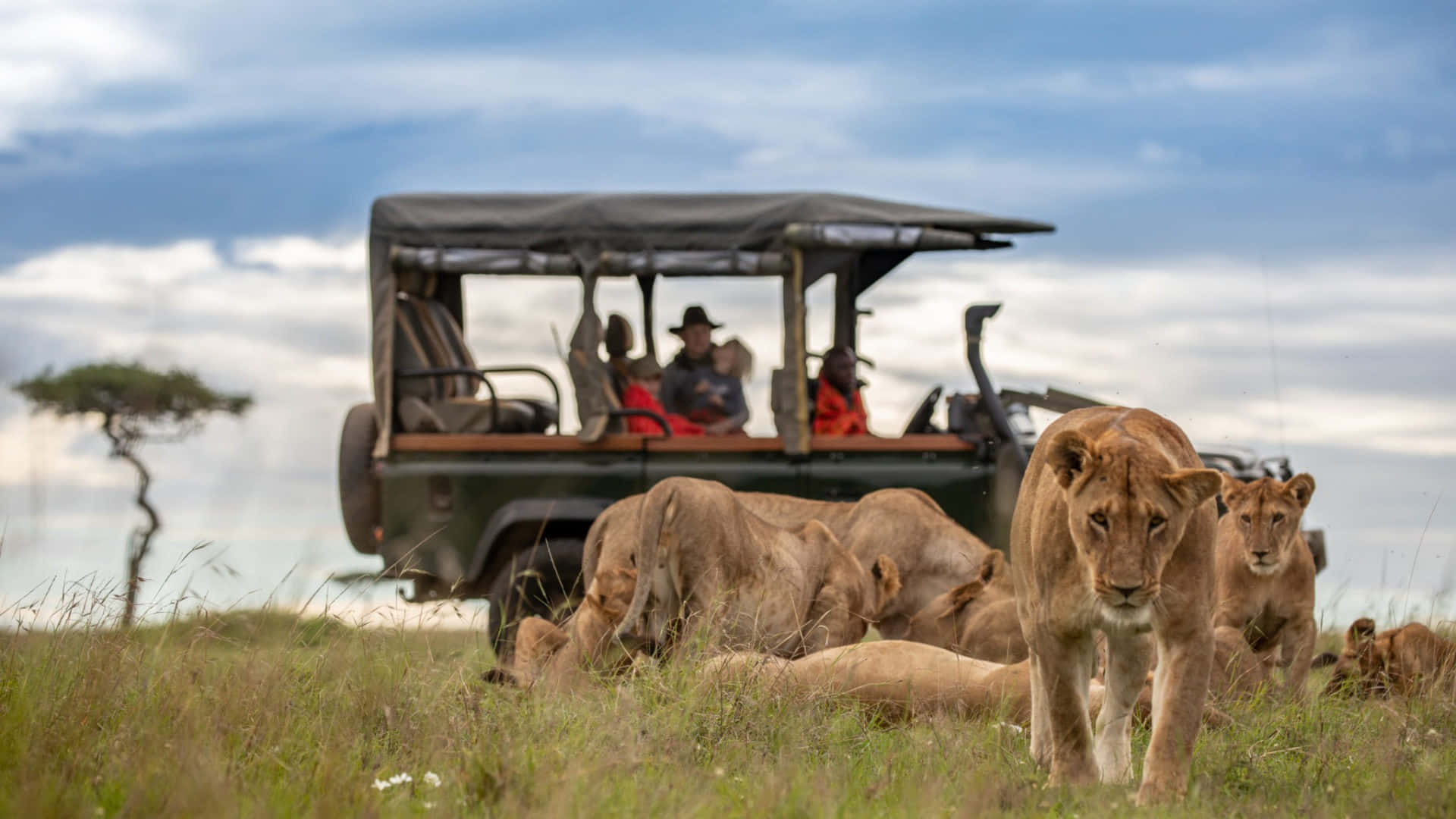
Unlike many wildlife destinations where animal sightings require long hours of tracking, the Maasai Mara offers consistently exceptional game viewing throughout the year. It remains one of the absolute best places in Africa to observe predators in action.
It is also one of the rare blocks of wilderness where travelers can comfortably spot all members of the legendary Big Five (Lion, Leopard, Elephant, Cape Buffalo, and Rhinoceros) during a single safari.
2. The Great Migration: Nature’s Greatest Spectacle
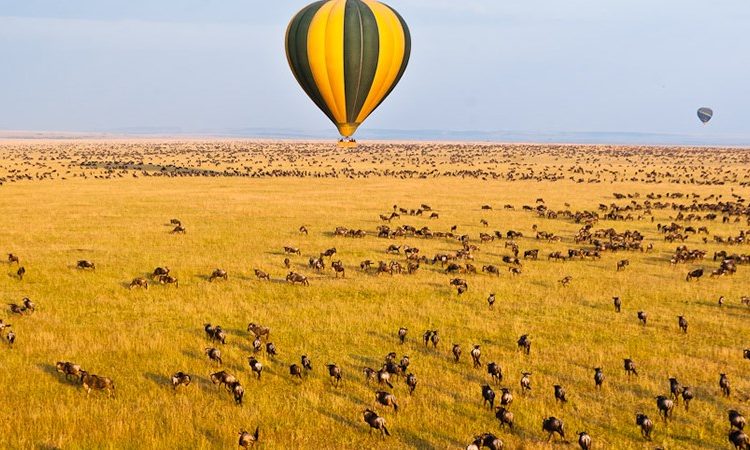
The Maasai Mara is globally famous for hosting the most dramatic leg of the Great Migration. Every year between July and October, more than two million wildebeest, accompanied by hundreds of thousands of zebras and gazelles, travel up from the Serengeti in search of fresh grazing pasture.
During this window, visitors can witness the world-famous Mara River crossings, where massive herds plunge into crocodile-infested waters under the watchful eyes of the Mara’s apex predators.
3. Hot Air Balloon Safaris: A Bird’s-Eye View
One of the most magical ways to experience the ecosystem is from the sky. As dawn breaks over the African savannah, colorful hot air balloons float silently above the plains, offering an uninterrupted panoramic view of elephant herds, towers of giraffes, and pride of lions waking below. The flight traditionally concludes with a premium champagne breakfast cooked right in the bush.
Comprehensive Safari Checklist
The Mara accommodates all styles of wildlife photography and exploration, boasting an incredibly diverse animal and avian roster:
| Big Cats & Predators | Large Herbivores | Iconic Birdlife (500+ Species) |
• Lions (Large Prides) • Leopards • Cheetahs • Spotted Hyenas • Black-backed Jackals | • African Elephants • Cape Buffaloes • Black Rhinos • Masai Giraffes • Zebras & Hippos | • African Fish Eagles • Lilac-breasted Rollers • Secretary Birds • Crowned Cranes • Ostriches & Hornbills |
Authentic Maasai Cultural Photography
The lands surrounding the reserve are the ancestral home of the Maasai people. Visitors can participate in respectful, community-led cultural excursions to traditional villages (Mayattas). This provides a rare look into an ancient way of life that has remained deeply connected to nature for centuries, offering opportunities to photograph traditional Maasai attire, intricate beadwork, jumping ceremonies, and village architecture.
Best Time to Visit the Maasai Mara
July to October (The Migration Peak): The absolute best window for witnessing the Great Migration, massive river crossings, and peak predator action. (Note: This is the busiest time of year).
January to March (The Calving & Predator Season): Fantastic weather, far fewer crowds, beautifully clear photography conditions, and great chances to see big cats hunting young plains game.
April to June (The Green Season): The emerald-green landscapes are stunning, accommodation rates drop significantly, and the dramatic skies make for award-winning landscape photos.
November to December (The Short Rains): A lush environment filled with migratory birds and newborn animals, offering an excellent, quiet safari experience.
Luxury Accommodation and Private Conservancies
The Maasai Mara has evolved into Africa’s premier destination for high-end experiential travel. While the main National Reserve is open to the public, visitors seeking ultimate exclusivity often stay in the Private Conservancies bordering the reserve (such as Mara North, Olare Motorogi, and Naboisho). These private concessions strictly limit vehicle numbers and offer premium experiences prohibited in the main reserve, including guided walking safaris, off-road tracking, and thrilling night game drives.
Top 5 Luxury Accommodations in the Maasai Mara
| Property | Location & Setting | Standout Luxury Feature |
| 1. Angama Mara | Perched high on the edge of the Oloololo Escarpment overlooking the Mara Triangle. | Sweeping, floor-to-ceiling glass suites with the most iconic aerial views in Africa. |
| 2. Mara Plains Camp | Tucked away in the private Olare Motorogi Conservancy along a river bend. | Ultra-exclusive canvas tents raised on decks with private professional camera layouts provided to guests. |
| 3. Mahali Mzuri | Sir Richard Branson’s luxury tented safari camp in the Motorogi Conservancy. | Striking, futuristic tent designs and a heated infinity pool hanging over a valley wildlife corridor. |
| 4. Governors’ IL Moran Camp | Deep inside the main reserve, hidden within a riverine forest along the Mara River. | Classic, old-world luxury with massive safari tents and premier access to prime migration crossing zones. |
| 5. Sala’s Camp | Located in the wild southern valley of the reserve on the banks of the Sand River. | Private plunge pools on every tent deck, situated right where the migration first enters Kenya. |
How to Get There
By Air (Recommended): Daily scheduled flights depart from Nairobi’s Wilson Airport, landing at various dirt airstrips across the Mara in just 45 to 60 minutes. This avoids long travel days and provides spectacular aerial views of the Great Rift Valley.
By Road: A scenic but bumpy 4×4 drive from Nairobi takes approximately 5 to 6 hours, winding down through the escarpment and past rural trading towns.
Final Thoughts
The Maasai Mara is not simply a destination—it is an experience that touches the soul. It represents the very essence of wild, untamed Africa. Whether you are watching a lion hunt on the open plains, floating silently above the savannah in a hot air balloon, or watching thousands of wildebeest brave the Mara River, the memories created here will last a lifetime.