
Ol Pejeta Wildlife Conservancy: The Ultimate Guide to Kenya’s Rhino Stronghold & Conservation Frontier
Nestled on an expansive plateau between the snow-capped foothills of Mount Kenya and the rugged Aberdare Ranges, Ol Pejeta Wildlife Conservancy is one of East Africa’s most remarkable conservation success stories. Spanning over 90,000 acres of pristine, semi-arid Laikipia wilderness, this former cattle ranch has transformed into a world-class sanctuary that seamlessly blends pioneering wildlife protection, community development, and elite safari experiences.
Whether you are looking to check off the iconic Big Five, participate in ground-breaking research, or stand feet away from the rarest mammals on earth, Ol Pejeta provides a deep, conservation-first journey that reshapes the meaning of an African safari.
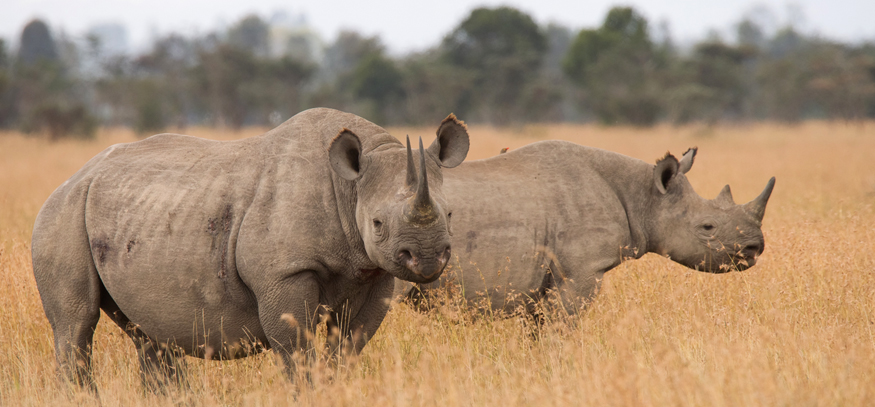
1. The Global Epicenter of Rhino Conservation
Ol Pejeta is internationally recognized as a pioneer in endangered species management, operating with some of the most advanced anti-poaching and veterinary teams in Africa.
The Last of the Northern White Rhinos
The conservancy is the global home of Najin and Fatu, the world’s last two remaining northern white rhinos. Because the subspecies is naturally functionally extinct, these two females live under 24/7 armed protection within a specialized 700-acre enclosure.
The BioRescue Frontier: Ol Pejeta partners with an international consortium of scientists to harvest oocytes (egg cells) from Fatu. These are fertilized using preserved semen from deceased males to create pure northern white rhino embryos, which will be implanted into southern white rhino surrogates. This historic genetic rescue effort is rewriting the playbook for preventing species extinction.
East Africa’s Largest Black Rhino Sanctuary
Beyond the northern white rhinos, Ol Pejeta serves as East and Central Africa’s largest flagship sanctuary for the critically endangered Eastern black rhinoceros. From a starting population of just four individuals in the late 1980s, the conservancy now safely protects over 140 black rhinos alongside a thriving population of southern white rhinos.
2. Big Five Sightings and Rare Wildlife
Ol Pejeta offers superb, high-density wildlife viewing. The plains are teeming with predators and herbivores, offering a high probability of spotting all of the Big Five (lion, leopard, African elephant, Cape buffalo, and rhino) within a single day.
Because of its unique geographical location in the Laikipia ecosystem, you will also spot rare northern specialist species that do not reside in the southern parks like the Serengeti or Maasai Mara:
Grevy’s Zebra: Distinguished by finer, narrower stripes and large, rounded ears.
Jackson’s Hartebeest: A large, flat-faced antelope completely unique to these northern grasslands.
Reticulated Giraffe: Striking, block-like geometric coat patterns.
African Wild Dogs: Highly endangered apex pack hunters that occasionally den within the conservancy’s valleys.
3. Sweetwaters Chimpanzee Sanctuary
Formed in 1993 via a partnership with the Jane Goodall Institute, this on-site haven is the only place in Kenya where chimpanzees can be observed.
The sanctuary provides a lifelong, safe home to over 30 chimpanzees rescued from the illegal bushmeat trade, abusive entertainment setups, and traumatic conflicts across Central and West Africa. Living within two massive, natural riverine enclosures, the chimpanzees can be observed from a dedicated wooden boardwalk as they forage, play, and rebuild social structures.
4. Immersive Conservation Activities
Ol Pejeta sets itself apart by allowing visitors to step out of the traditional tourist mold and actively participate in daily conservation operations:
                  [ CONSERVATION SAFARI ACTIVITIES ]

     Lion Tracking            Rhino Monitoring           K9 Anti-Poaching
  ────────────────────       ───────────────────        ───────────────────
  • Drive with research      • Join rangers to identify • Watch specialized
    teams using telemetry      individual black rhinos    bloodhounds demonstrate
    collars to log prides.     via unique ear notches.    tactical tracking drills.
Night Game Drives: Using filtered spotlights to look for elusive nocturnal hunters like leopards, genets, bat-eared foxes, and aardvarks.
Guided Bush Walks: Stepping down into the grasslands with an armed ranger to evaluate animal tracks, dung, and medicinal plants.
The Coexistence Model: Wildlife & Community
Ol Pejeta operates on a unique integrated land-use model. It functions as a fully operational, commercial cattle ranch alongside its wildlife operations. Over 6,000 Boran cattle are grazed systematically across the plains; their herds break up hard soils and clear old grass canopy, creating nutrient-rich lawns that directly attract wild rhinos and zebras.
Furthermore, tourism revenue generated inside the gates directly funds a network of 21 neighboring communities—building local schools, funding mobile health clinics, establishing clean water projects, and supporting sustainable farming systems.
Seasonal Travel Planner
The Dry Seasons (June to October & January to March)
The absolute best window for pristine game viewing. The Laikipia bush thins out significantly, making it easier to spot cats, and wildlife clusters tightly around permanent watering holes and river loops.
The Green Seasons (November to December & April to May)
The landscape transforms into an emerald paradise. While animals spread out further, it is an incredible season for birdwatching (over 300 resident and migratory species), newborn calves, dramatically clear morning views of Mount Kenya, and minimal tourist vehicles on the roads